
Posted on

Best Magnesium for Pregnant Women

Pregnant women need magnesium for them to function properly and also allow the unborn to grow into a healthy human being.  However, the type of magnesium they need depends on their body’s needs.  Pregnant women like all human beings are different. Each pregnant woman has different needs.


Your magnesium needs will be determined by your health practitioner.


Why Pregnant Women Need Magnesium?

Magnesium is an essential co-factor in more than 350 enzymatic (chemical activities in the body) and metabolic (chemical activity in the cells of the body that changes food into energy for the body to function) functions in the body; this helps regulate diverse biochemical reactions, including protein synthesis, muscle and nerve function, blood glucose control and blood pressure regulation. 


These are critical things in the pregnant woman’s life for her to remain healthy and for the baby too. 


Magnesium is required by each cell for cellular energy production and helps to keep the cells functioning optimally by preventing oxidation- hardening (oxygen is turned into what the body can use – this process is called oxidation) calcification of the cell membranes.  


Oxidation (oxygen is turned into what the body can use – this process is called oxidation) creates unstable molecules in the body called Free Radicals these destroy body cells leading to sickness such as High Blood Pressure.  Pregnant women are highly susceptible to this kind of issue and Magnesium helps control the problem of Oxidation and the diseases it creates in them.


Magnesium helps keep the body soft, supple, strong, and young.  Magnesium is also important for the production of your DHEA hormone which naturally decreases from the age of 30 or even faster when you are magnesium deficient, causing premature aging, wrinkles as well as aches and pains. 


Magnesium is required for the synthesis of DNA and RNA which contributes to the proper development of body cells and is thus also essential for babies and children for the proper development of the muscles, bones, and other tissues – most of which already develop in the womb.  It is therefore essential that MINERAL Magnesium™ oral supplement and Blue Spray is used during pregnancy.


Pregnant women need to ensure they get an adequate amount of magnesium, as magnesium plays a crucial role in various bodily functions, including bone health, muscle function, and energy production. However, before adding any supplements to your pregnancy regimen, it’s essential to consult with your healthcare provider. They can provide personalized advice based on your specific needs and health status.


If your healthcare provider determines that a magnesium supplement is necessary, they may recommend magnesium citrate or magnesium glycinate, as these forms are generally well-absorbed by the body. Magnesium oxide is another common form, but it has lower bioavailability and can have a laxative effect, which might not be desirable during pregnancy.


In addition to supplements, it’s also possible to increase magnesium intake through dietary sources. Foods rich in magnesium include nuts, seeds, whole grains, leafy green vegetables, and legumes.


Remember, it’s crucial to discuss any supplements or dietary changes with your healthcare provider to ensure they are appropriate for your individual health needs and the needs of your developing baby.


Pregnancy cannot be normal unless Magnesium levels are adequate.


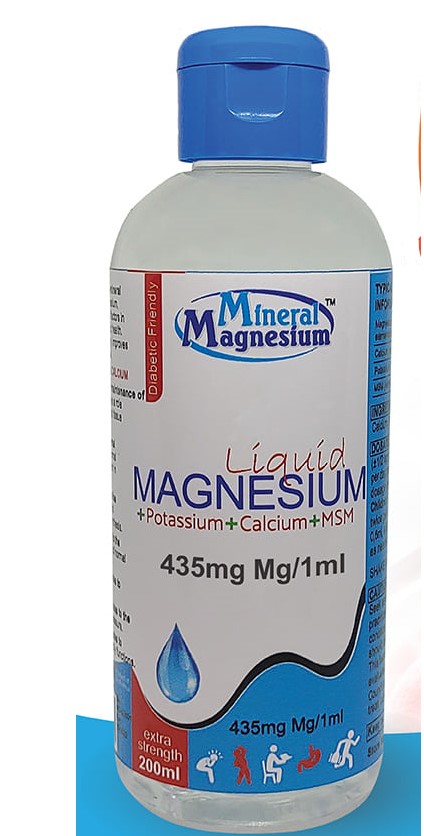
The concentration of Magnesium in the placental and fetal tissue increases during pregnancy, therefore requirements for magnesium and other minerals increase dramatically.  With general magnesium-depleted soil and deficiencies in our bodies, a pregnant woman must supplement with magnesium.   MINERAL Magnesium™ Oil provides more elemental magnesium due to its liquid form. 


Symptoms that can be prevented or relieved by having adequate magnesium levels during pregnancy:

Spasms

Back Pain

Swollen Feet

Water Retention

Constipation

Hemorrhoids (Piles)

Stretch Marks

Heartburn

Miscarriages

Premature Labour

Gestational Diabetes

Blood Pressure (Preeclampsia)

Chronic Fatigue


Magnesium aids in many different aspects of your life, including helping prepare the womb for pregnancy and preventing a miscarriage. 


Studies found that magnesium prevents hemorrhaging (bleeding) in the brain of infants whose mothers have hypertension (Preeclampsia). Several controlled trials have provided compelling evidence that Magnesium is the drug of choice as a preventative treatment for preeclampsia, whether preterm or term.  Scientists have shown that giving Magnesium to pregnant women may greatly reduce the incidence of cerebral palsy and the surprising outcome of some studies was the reduction of mental retardation when magnesium chloride was provided during pregnancy.  – Supports Healthy Brain Development of the baby.


Magnesium is needed for reproductive fertility and the use of pharmaceutical contraceptives is known to diminish magnesium stores in our body.  Magnesium plays a crucial role in fertility, pregnancy, and in early newborn life and many of the problems associated with pregnancy and birth can be resolved by Magnesium supplementation.


“Magnesium is frequently used as the treatment for stopping premature labour, and the seizures of eclampsia, at the point it starts, but might be more helpful in preventing these if supplemented throughout pregnancy.” -Dr. Jean Durlach


Magnesium’s important role in our body starts in the womb as magnesium helps build and repair body tissue in both the mother and the unborn baby. Magnesium relaxes muscles and research suggests that proper levels of Magnesium during pregnancy can help keep the uterus from contracting until week 35. Dropping Magnesium levels at this point may start labour contractions.


Magnesium Citrate


Magnesium citrate is a magnesium salt of citric acid, and it is commonly used as a dietary supplement. It’s a combination of magnesium and citric acid, and it is available in various forms, including powder, liquid, and capsules. The citric acid in magnesium citrate not only provides a source of magnesium but also may enhance the absorption of magnesium in the digestive tract.


Key points about magnesium citrate:


  1. Absorption: Magnesium citrate is known for its relatively high absorption in the body. The presence of citric acid can help increase solubility and improve absorption in the intestines.

  2. Laxative Effect: One notable aspect of magnesium citrate is its use as a laxative. When taken in larger amounts, magnesium citrate can draw water into the intestines, leading to softer stools and promoting bowel movements. This property is often utilized in medical settings to relieve constipation.

  3. Forms: Magnesium citrate supplements come in different forms, including liquid solutions, powders, and capsules. The liquid form is often consumed orally and is known for its relatively fast action.

  4. Uses: Aside from its use as a laxative, magnesium citrate is also taken as a dietary supplement to address magnesium deficiencies. Adequate magnesium levels are important for various bodily functions, including muscle and nerve function, bone health, and energy production.

  5. Side Effects: Common side effects of magnesium citrate include diarrhea and an upset stomach, especially when taken in higher doses. It’s important to use magnesium citrate supplements under the guidance of a healthcare provider, especially if you have any pre-existing health conditions or concerns.

As with any supplement, it’s crucial to consult with your healthcare provider before starting magnesium citrate or any other magnesium supplement. They can guide the appropriate dosage based on your individual health needs and help monitor for any potential interactions with medications or existing health conditions.


Magnesium Glycinate


Magnesium glycinate is a form of magnesium supplement that is bound to the amino acid glycine. This combination is believed to enhance the absorption of magnesium in the body. Glycine is a relatively small molecule, and this can contribute to the bioavailability of magnesium, making it readily absorbable in the digestive tract.


Here are some key points about magnesium glycinate:


  1. Absorption and Bioavailability: Magnesium glycinate is often promoted for its high absorption rate and bioavailability. The presence of glycine may help facilitate the entry of magnesium into cells.

  2. Glycine Benefits: Glycine itself is an amino acid with potential benefits, including its role in promoting relaxation and sleep. Some people choose magnesium glycinate for its calming effects, as both magnesium and glycine can have a mild sedative effect.

  3. Laxative Properties: Unlike some other forms of magnesium, such as magnesium citrate, magnesium glycinate is less likely to cause diarrhea or have a pronounced laxative effect. This makes it a preferred choice for individuals who want to avoid digestive issues associated with certain magnesium supplements.

  4. Uses: Magnesium glycinate is commonly used as a dietary supplement to address magnesium deficiencies. It may be chosen by individuals who are sensitive to other forms of magnesium or who are looking to avoid potential gastrointestinal side effects.

  5. Forms: Magnesium glycinate is available in various forms, including capsules, tablets, and powders.

  6. Side Effects: Magnesium glycinate is generally well-tolerated, and side effects are relatively uncommon. However, as with any supplement, it’s important to use it under the guidance of a healthcare provider, especially if you have underlying health conditions or are taking medications.

It’s crucial to consult with a healthcare professional before starting any magnesium supplement, including magnesium glycinate, to determine the appropriate dosage based on your individual needs and health status. They can provide personalized advice and monitor for any potential interactions with medications or existing health conditions.


   

Posted on Leave a comment

What is the Most Critical Mineral in Your Body?

Magnesium is a crucial mineral that plays a vital role in various physiological functions within the human body. Here are some key aspects of the power of magnesium:


Energy Production: Magnesium is a cofactor in the production of adenosine triphosphate (ATP), which is the primary energy currency of cells. It is involved in many enzymatic reactions related to energy metabolism.

  1. Muscle Function: Magnesium is essential for proper muscle function, including muscle contraction and relaxation. It helps regulate neuromuscular signals and is crucial for the function of ion channels that control muscle contractions.
  2. Bone Health: Magnesium is a key component of bone structure, working in conjunction with calcium and phosphorus. It contributes to bone density and helps prevent osteoporosis.
  3. Heart Health: Magnesium plays a role in maintaining a regular heartbeat and supporting overall cardiovascular health. It helps regulate blood pressure and supports the function of the heart muscle.
  4. Nervous System Function: Magnesium is important for the proper functioning of the nervous system. It plays a role in neurotransmitter release and helps regulate the excitability of neurons.
  5. DNA and RNA Synthesis: Magnesium is involved in the synthesis of nucleic acids (DNA and RNA) and is essential for the stability and structure of these molecules.
  6. Blood Sugar Regulation: Magnesium plays a role in insulin action and glucose metabolism. Adequate magnesium levels may contribute to better insulin sensitivity and help in the prevention of type 2 diabetes.
  7. Anti-inflammatory Effects: Magnesium has been associated with anti-inflammatory effects in the body. It may help modulate inflammatory responses and contribute to overall immune system function.
  8. Mood Regulation: There is evidence to suggest that magnesium may play a role in mood regulation and the prevention of conditions such as depression and anxiety. It is involved in the regulation of neurotransmitters and the hypothalamic-pituitary-adrenal (HPA) axis.
  9. Electrolyte Balance: Magnesium works alongside other electrolytes like sodium, potassium, and calcium to maintain proper fluid balance in and around cells.

It’s important to note that while magnesium is essential for health, excessive intake can lead to toxicity. Conversely, inadequate magnesium levels can result in conditions like hypomagnesemia. It’s generally recommended to obtain magnesium through a balanced diet that includes magnesium-rich foods such as leafy green vegetables, nuts, seeds, whole grains, and legumes. If you have concerns about your magnesium levels, it’s advisable to consult with a healthcare professional.

Posted on

Are You Struggling with Sleeping? Magnesium – will Get You Sleeping Easily

Magnesium is often touted for its potential to aid in sleep and relaxation. Here’s how magnesium may contribute to better sleep:

  1. Muscle Relaxation: Magnesium plays a crucial role in muscle function, including relaxation. Having sufficient magnesium in the body can help relax muscles, potentially reducing muscle cramps and tension that might interfere with sleep.
  2. Nervous System Calming: Magnesium has a calming effect on the nervous system. It helps regulate neurotransmitters and may influence the activity of the parasympathetic nervous system, promoting a state of relaxation.
  3. Melatonin Regulation: Magnesium may influence the production and release of melatonin, a hormone that regulates the sleep-wake cycle. Adequate levels of magnesium may help enhance melatonin levels, promoting better sleep.
  4. GABA Enhancement: Magnesium is thought to enhance the activity of gamma-aminobutyric acid (GABA), a neurotransmitter that has calming effects on the brain. GABA is often referred to as the “calming neurotransmitter,” and its activity can help induce relaxation and sleep.
  5. Stress Reduction: Magnesium has been associated with stress reduction. Chronic stress can contribute to sleep disturbances, and magnesium’s calming effects may help mitigate the impact of stress on sleep.

If you’re considering using magnesium supplements to improve sleep, it’s important to consult with a healthcare professional before starting any new supplementation. Here are a few tips:

  • Choose the Right Form: There are different forms of magnesium supplements, such as magnesium citrate, magnesium glycinate, and magnesium oxide. Some forms are better absorbed than others. Magnesium glycinate is often recommended for its higher bioavailability and lower likelihood of causing digestive upset.
  • Dosage Considerations: The appropriate dosage of magnesium can vary from person to person. It’s important not to exceed recommended dosages, as excessive magnesium intake can lead to adverse effects.
  • Timing: Taking magnesium supplements in the evening may be particularly beneficial for sleep, as it aligns with the body’s natural circadian rhythm and the onset of melatonin release.

In addition to considering magnesium supplementation, it’s crucial to maintain a healthy sleep routine, including a consistent sleep schedule, a comfortable sleep environment, and other lifestyle practices that support good sleep hygiene. If you’re experiencing persistent sleep issues, it’s advisable to consult with a healthcare professional to identify and address any underlying concerns.

Posted on

The Mind-Blowing Benefits of Magnesium Citrate: The Natural Solution for High Blood Pressure Control.

Magnesium to lower blood pressure

There is some evidence to suggest that magnesium may have a modest effect on blood pressure regulation, and its role in cardiovascular health is well-established. Here’s how magnesium may contribute to lowering blood pressure:

  1. Vasodilation: Magnesium helps relax blood vessels, leading to vasodilation. This relaxation of the blood vessels can result in improved blood flow and reduced resistance, which may contribute to lower blood pressure.
  2. Regulation of Calcium: Magnesium works in conjunction with calcium to regulate blood vessel tone. Adequate magnesium levels can help balance calcium levels, preventing excessive contraction of blood vessels.
  3. Anti-Inflammatory Effects: Chronic inflammation can contribute to hypertension. Magnesium has anti-inflammatory properties, and its ability to modulate inflammatory responses may have a positive impact on blood pressure.
  4. Endothelial Function: Magnesium supports the health and function of the endothelium, the inner lining of blood vessels. A healthy endothelium is crucial for proper blood vessel function, and dysfunction can contribute to hypertension.
  5. Insulin Sensitivity: Magnesium plays a role in insulin action and glucose metabolism. Improved insulin sensitivity may contribute to better blood pressure control.

It’s important to note that while magnesium may have a beneficial effect on blood pressure, its impact is generally considered to be modest. Lifestyle factors such as maintaining a healthy diet, regular physical activity, and managing stress are also crucial for blood pressure management.

If you’re considering using magnesium supplements to help lower blood pressure, it’s important to consult with a healthcare professional. They can help determine the appropriate dosage and form of magnesium for your specific needs. Additionally, magnesium should be part of an overall heart-healthy lifestyle, and any concerns about blood pressure should be addressed in consultation with a healthcare provider who can provide personalized advice based on your individual health status.

Posted on

Unleash Your Child’s Potential: How Magnesium Can Supercharge Their Growth

Magnesium is an essential mineral for overall health, and it plays various roles in the body, even in children. Here’s a guide on magnesium for kids:

1. Importance of Magnesium for Kids:

  • Bone Health: Magnesium, along with calcium and vitamin D, is crucial for the development and maintenance of strong and healthy bones in growing children.
  • Muscle Function: Magnesium is involved in muscle contraction and relaxation, contributing to the proper functioning of muscles.
  • Energy Production: Magnesium is a cofactor in the production of ATP, the energy currency of cells, supporting overall energy metabolism.
  • Nervous System Function: Magnesium plays a role in the regulation of neurotransmitters, supporting the development and function of the nervous system.

2. Dietary Sources of Magnesium for Kids:

  • Whole Grains: Foods like whole wheat bread, brown rice, and oats are good sources of magnesium.
  • Leafy Green Vegetables: Spinach, kale, and other leafy greens are rich in magnesium.
  • Nuts and Seeds: Almonds, sunflower seeds, and pumpkin seeds contain magnesium.
  • Dairy Products: Dairy foods like yogurt and cheese provide magnesium along with calcium.
  • Legumes: Beans, lentils, and peas are magnesium-rich plant-based sources.

3. Symptoms of Magnesium Deficiency in Kids:

  • While magnesium deficiency is not common in well-nourished children, certain symptoms may indicate a potential deficiency. These can include muscle cramps, irritability, fatigue, and changes in appetite.

4. Supplementation for Kids:

  • In general, it’s best for children to obtain nutrients, including magnesium, from a well-balanced diet. Most children can meet their magnesium needs through food sources.
  • If there are concerns about magnesium intake, it’s important to consult with a pediatrician before considering supplements. Excessive magnesium intake can lead to adverse effects.

5. Age-Appropriate Dosages:

  • The recommended dietary allowance (RDA) for magnesium varies by age. For example, as of my last knowledge update in January 2022, the RDA for magnesium is around 80 mg for children aged 1-3 years, 130 mg for children aged 4-8 years, and 240 mg for children aged 9-13 years.

6. Kids with Certain Health Conditions:

  • Children with certain health conditions or dietary restrictions may be at risk for magnesium deficiency. In such cases, healthcare professionals may consider appropriate supplementation.

7. Educate on Healthy Eating:

  • Encourage a well-balanced diet that includes a variety of nutrient-rich foods to ensure an adequate intake of magnesium and other essential nutrients.

Always consult with a pediatrician or healthcare professional before introducing any supplements to a child’s diet, as individual needs may vary. They can provide guidance based on the child’s age, health status, and dietary habits.

Posted on

Magnesium Can Be Used to Relieve Constipation


Magnesium can be an effective and natural remedy for constipation. Here’s how magnesium works to alleviate constipation and some considerations for its use:

1. Osmotic Effect:

  • Magnesium is an osmotic agent, meaning it draws water into the intestines. This increased water in the intestines helps soften the stool, making it easier to pass.

2. Muscle Relaxation:

  • Magnesium has a relaxing effect on smooth muscles, including those in the intestines. This relaxation can help ease the passage of stool through the digestive tract.

3. Stool Softening:

  • Magnesium can help soften the stool by increasing water content in the intestines and preventing the stool from becoming hard and difficult to pass.

4. Types of Magnesium for Constipation:

  • Magnesium Citrate: This form is often used for constipation relief. It has a high bioavailability and can quickly produce a laxative effect.
  • Magnesium Hydroxide (Milk of Magnesia): This is another common form used for constipation. It works by drawing water into the intestines.
  • Magnesium Oxide: While less bioavailable, magnesium oxide is sometimes used for constipation. It tends to have a slower onset of action.

5. Dosage and Timing:

  • The appropriate dosage of magnesium for constipation varies among individuals. It’s advisable to start with a lower dose and gradually increase if needed.
  • Magnesium is often taken in the evening or before bedtime, as this aligns with the body’s natural circadian rhythm and can lead to a bowel movement the following morning.

6. Hydration:

  • It’s crucial to drink plenty of water when using magnesium for constipation. Adequate hydration helps support the osmotic effect and prevents dehydration.

7. Considerations and Caution:

  • Individual Variability: Response to magnesium can vary among individuals. What works for one person may not work the same way for another.
  • Medical Conditions: Individuals with kidney problems should consult their healthcare provider before using magnesium supplements.
  • Medication Interactions: Some medications may interact with magnesium, so it’s essential to check with a healthcare professional, especially if someone is taking other medications.

8. Dietary Sources:

  • Encouraging a diet rich in magnesium-containing foods, such as leafy green vegetables, whole grains, nuts, and seeds, can also contribute to regular bowel movements.

9. Consultation with Healthcare Provider:

  • Before using magnesium supplements for constipation on a regular basis, it’s advisable to consult with a healthcare provider, especially if there are any underlying health conditions.

While magnesium can be effective for constipation relief, it’s important to use it judiciously and under the guidance of a healthcare professional, especially for long-term use. Chronic constipation should also be discussed with a healthcare provider to identify and address any underlying causes.

Alicia tried everything under the sun to regain her body and nothing worked.  She exercised, went on a diet, and did everything possible, unfortunately, her body was not responding.   

This bad situation for Alicia remained until she discovered Mineral Magnesium.

Posted on

Magnesium for Leg Cramps

Magnesium is often used as a remedy for leg cramps, particularly nocturnal leg cramps (cramps that occur during the night). Here’s how magnesium may help alleviate leg cramps and some considerations for its use:

1. Muscle Relaxation:

  • Magnesium is a mineral that plays a crucial role in muscle function. It helps regulate muscle contractions and relaxations. Insufficient magnesium levels may contribute to muscle cramps, and magnesium supplementation can help address this deficiency.

2. Electrolyte Balance:

  • Magnesium works in conjunction with other electrolytes, such as potassium and calcium, to maintain proper muscle function. An imbalance in electrolytes can lead to muscle cramps, and ensuring an adequate intake of magnesium helps support overall electrolyte balance.

3. Vasodilation:

  • Magnesium has vasodilatory effects, meaning it helps relax blood vessels. Improved blood circulation can contribute to muscle relaxation and reduce the likelihood of cramps.

4. Types of Magnesium for Leg Cramps:

  • Magnesium Citrate: This form is commonly used for its high bioavailability and quick absorption. It’s often recommended for acute situations, such as relieving leg cramps.
  • Magnesium Glycinate: This form is less likely to cause digestive upset and may be a good option for those who experience gastrointestinal issues with other forms.
  • Magnesium Oil: Applied topically, magnesium oil is absorbed through the skin and may be an alternative for those who prefer not to take oral supplements.

5. Dosage:

  • The appropriate dosage of magnesium for leg cramps can vary. It’s advisable to start with a lower dose and gradually increase if needed. Excessive magnesium intake can lead to diarrhea, so finding the right balance is important.

6. Timing of Supplementation:

  • Taking magnesium in the evening or before bedtime may be beneficial, as this aligns with the body’s natural circadian rhythm and can potentially help prevent nocturnal leg cramps.

7. Considerations:

  • Underlying Causes: While magnesium deficiency is one potential cause of leg cramps, there are other factors that can contribute, such as dehydration, certain medications, or underlying medical conditions. It’s essential to address any underlying causes.
  • Consultation with Healthcare Provider: Before starting magnesium supplementation for leg cramps, it’s advisable to consult with a healthcare provider, especially if there are concerns about magnesium levels or if the cramps are persistent.

8. Dietary Sources:

  • Encouraging a diet rich in magnesium-containing foods, such as leafy green vegetables, nuts, seeds, and whole grains, can contribute to overall magnesium intake.

Magnesium can be a helpful component of a comprehensive approach to managing leg cramps, but it’s important to approach supplementation with care and under the guidance of a healthcare professional, especially if there are underlying health concerns. If leg cramps persist or worsen, seeking medical advice is advisable to identify and address the root cause.

Posted on

Unraveling the Causes of Fungal Infections on the Skin

Introduction

Skin, our body’s largest organ, is susceptible to various infections, including fungal infections. These common yet bothersome conditions can cause discomfort, itching, and even embarrassment. Understanding what causes fungal infections on the skin is key to prevention and effective treatment. In this article, we will delve into the intricate factors that contribute to these stubborn infections, offering insights and solutions along the way.

Causes of Fungal Infections on the Skin

1. Warm and Moist Environments

Fungi thrive in warm, moist environments, making certain areas of the body more susceptible to infection. Sweaty regions, such as the groin, armpits, and areas between the toes, create an ideal breeding ground for fungi. Prolonged exposure to such conditions, especially without proper ventilation or regular drying, can lead to fungal infections.

Fungal diseases are more common in countries in the tropics. These are countries that do not experience winter. The warm environment makes the skin fungus thrive.

“Moisture is the enemy when it comes to preventing fungal infections. Keep your skin dry to keep the fungi at bay.” – Dr. Derm, Dermatologist

2. Weakened Immune System

A weakened immune system can be an open invitation for fungal infections to take hold. Medical conditions such as diabetes, HIV/AIDS, or undergoing immunosuppressive treatments can compromise the body’s defense mechanisms. When the immune system is unable to combat fungal spores effectively, infections can occur more easily and become more challenging to treat.

3. Direct Contact with Infected Individuals or Surfaces

Fungal infections can spread through direct contact with infected individuals or contaminated surfaces. Communal areas like public showers, locker rooms, and swimming pools can harbor fungi, making it crucial to wear protective footwear in these environments. Sharing personal items such as towels, clothing, or even nail clippers can also contribute to the transmission of fungal infections.

“Prevention is key in stopping the spread of fungal infections. Maintain good personal hygiene and avoid sharing personal items to minimize the risk.” – Dr. Hygiene, Dermatologist

4. Compromised Skin Barrier

An intact skin barrier acts as the body’s first line of defense against infections. However, any condition that compromises the skin’s integrity, such as cuts, abrasions, or pre-existing skin conditions like eczema, can increase the risk of fungal infections. These vulnerabilities provide fungi with an entry point to invade and flourish on the skin.

5. Excessive Sweating and Poor Hygiene

Excessive sweating, exacerbated by physical activity or high temperatures, can create a moist environment where fungi thrive. Coupled with poor personal hygiene practices, such as infrequent bathing, inadequate drying of skin folds, or wearing sweaty clothes for extended periods, this can increase the likelihood of developing a fungal infection.

“Don’t underestimate the importance of good hygiene. Regularly wash and dry your body, paying close attention to skin folds prone to sweating.” – Dr. Clean, Dermatologist

6. Certain Medications and Antibiotics

Long-term use of antibiotics, which disrupt the balance of microorganisms on the skin, and certain medications like corticosteroids can lead to an overgrowth of fungi. These imbalances in the skin’s microbial ecosystem, known as the skin microbiome, can create an environment where fungal infections can flourish.

“If you’re on medications that increase your risk of fungal infections, consult your healthcare provider for guidance on preventive measures.” – Dr. Meds, Dermatologist

7. Tight clothing and Non-Breathable Fabrics

Wearing tight-fitting clothing made from non-breathable fabrics can create an environment conducive to fungal growth. These clothing choices hinder proper ventilation and trap moisture against the skin, providing fungi with an ideal environment to thrive. Opt for loose clothing made from breathable fabrics like cotton to reduce the risk of fungal infections.

What to do if Infected with a skin fungal infection?

Get for yourself Dulcie SkinGlow Witfield Ointment. It is a topical cream that will last you almost a year and you will be able to keep this stubborn disease at bay.

Fungus cannot be treated successfully by using small creams that last you a week. You will be deceiving yourself. Fungus is very stubborn, and it keeps coming back. As soon as the tube is finished a week or so later you find the fungus growing again in the same spot.

The solution is to consistently keep using the cream. But these creams are very expensive. To go around this problem is to buy a huge bottle that will last you a longer period of time. When you do the Math’s, it will be a no brainer. You will be making a massive saving.

Conclusion

Fungal infections on the skin can be both irritating and embarrassing, but understanding their causes is key to prevention and effective treatment. Factors like warm and moist environments, a weakened immune system, direct contact with infected individuals or surfaces, compromised skin barrier, excessive sweating and poor hygiene, certain medications and antibiotics, and tight clothing can all contribute to these stubborn infections. By implementing good hygiene practices, maintaining a healthy immune system, and being mindful of our surroundings, we can minimize the risk of fungal infections and enjoy healthy, fungus-free skin.

“Take charge of your skin health by adopting preventive measures and seeking prompt treatment to keep fungal infections at bay.” – Dr. Skin, Dermatologist

Posted on

Why Dieting and Exercise Fail: Insights on Weight Loss Plateaus

You are experiencing a lack of weight loss, despite exercising and dieting. You are doing everything possible to shed the kilos. It is frustrating! This situation is often referred to as a weight-loss plateau, and it can occur for several reasons, which include: 1. Metabolic Adaptation, 2. Caloric Intake vs. Expenditure, 3. Exercise Routine, 4. Diet Quality, 5. Stress and Sleep, 6. Body Composition Changes. Many of these weight loss impediments can be overcome by taking Liquid Magnesium.

Alicia’s Story and Her Fight to Lose Weight

In her youth, Alicia attracted attention because of her well-rounded body and beauty.  She had the best figure in the community, and everyone complimented her.  Alicia attracted stares from men and women alike because she had a body to die for.

The shy looked and said nothing. The brave not only fed their eyes but also went ahead and let her know. 

Like all youthful ladies, Alicia did everything possible to flaunt her body.  She wore the tightest dresses and most revealing pants.  Who wouldn’t?  It is natural for people to show off their bodies, especially when these bodies attract compliments and stares from people.

Nature being what it is, we can’t run away from it.   Alicia got pregnant and gave birth.  Unfortunately for Alicia, after giving birth, her body never returned to its old shape. Her former body attracted compliments and amazement from onlookers was gone. She looked deformed. The beauty was gone.

Alicia’s body did the total opposite.  She ballooned out of control.    She lost control of her body.   It went offside. Her stomach remained as big as when she was pregnant, her shoulders bulged.  It was a disaster and a bad sight.  She was completely unrecognizable.

Alicia tried everything under the sun to regain her body and nothing worked.  She exercised, went on a diet, and did everything possible, unfortunately, her body was not responding.   

Alicia’s Full body after giving birth – exercising and dieting did not help at all

This bad situation for Alicia remained until she discovered Liquid Mineral Magnesium.

Why Alicia wasn’t Losing Weight Even with Exercising and Diet

The Liquid Mineral Magnesium Supplement Solution that Solved the Weight Loss Puzzle

There are several reasons why Alicia was not losing weight despite her efforts. Here are some common factors responsible for failure to lose weight in most people even after trying hard. Alicia was no different:

1. Insulin Resistance

Insulin is a type of hormone that occurs naturally in our bodies. Insulin helps glucose in the blood enter cells. This provides them with the energy to function properly. Insulin resistance means that sugar is not broken down to form energy in the cells. Sugar remains in your body and this hinders weight loss. It causes your body to store excess sugar as fat. This happens instead of using it for energy. This condition can make it difficult to lose weight even with a good diet and exercise.

Liquid Mineral magnesium avoids this situation by making the pancreas operate normally. It helps the pancreas break down insulin and turn it into energy. Therefore, it allows weight loss to happen.

2. Metabolic Adaptation

As you lose weight, your metabolism slows down. This happens because your body requires fewer calories to work at a lower weight. You burn fewer calories than before. This change makes it harder to continue losing weight even with the same diet and exercise regimen. But when you diet and exercise your body does not respond. You stay the old self. Your effort to lose weight is futile.

Magnesium helps the metabolism to continue normally as you lose weight, and this aids the weight loss process.

3. Caloric Intake vs. Expenditure

A plateau often indicates that your caloric intake is equal to your caloric expenditure. To break through this, you need to either reduce your calorie intake further or increase your physical activity. It’s essential to make sure that you’re consuming fewer calories than you burn.

4. Exercise Routine

Your body can adapt to a consistent workout routine, making it less effective over time. If you’ve been doing the same exercises, consider increasing the intensity, duration, or type of activity. Incorporating strength training can also help build muscle, which boosts metabolism and aids in fat loss

5. Diet Quality

While cutting calories is crucial, the quality of your diet matters too. Ensure you’re consuming a balanced diet rich in fruits, vegetables, lean proteins, and whole grains. Avoid highly processed foods that can be calorie-dense but low in nutrients.

Dietary quality can be improved by taking supplements. If there is one important supplement that you should take over and above others, it is Magnesium. Liquid Mineral Magnesium is especially recommended because it is easy to absorb and helps most body activities.

6. Stress and Sleep

High stress levels can lead to hormonal changes that increase appetite and cravings for unhealthy foods. Additionally, insufficient sleep can affect metabolism and hunger hormones, making weight loss more challenging. Aim for adequate sleep (7-9 hours) and find ways to manage stress effectively

7. Body Composition Changes

Sometimes, even if the scale isn’t moving, you may be losing fat while gaining muscle, which is denser than fat. This means your body composition could be improving even if your weight remains stable

To overcome a plateau:

  • Reassess your habits: Keep a food diary to identify any inconsistencies.
  • Cut more calories: Consider slight reductions in daily intake.
  • Revamp your workouts: Increase intensity or try new forms of exercise.
  • Focus on diet quality: Ensure you’re eating nutrient-dense foods.
  • Manage stress and improve sleep: Both are crucial for overall health and weight loss.

If these adjustments do not lead to progress, you will need Liquid Mineral Magnesium to break through this plateau.

The Power of Liquid Mineral Magnesium

Liquid Mineral Magnesium will offer many benefits that will impact your weight loss. It will prevent deficiencies, boost metabolism and burn calories faster, regulate blood sugar, improve sleep, and reduce stress.

If there is one mineral that should be part of your daily diet, then it is Magnesium. Magnesium is a mineral that is essential for each part of the body. It supports the muscles, brain, kidneys, and heart.

Why is Liquid Mineral Magnesium Critical

Magnesium deficiency is very common in modern societies. Debilitating period cramps, consistent muscle pains and aches, and poor sleep are all examples. Magnesium deficiency is highly implicated in hypertension. It is also linked to Type 2 diabetes. These are two of the most common chronic diseases in the world. The mineral regulates salt and potassium, which affects blood pressure. It also regulates blood sugar. Running low on it can be a key driver for both blood pressure and blood sugar issues.

Better sleep quality and mental health management are also some of the most popular reasons for taking the supplement. Psychologist in the USA refer to Magnesium as “the original chill supplement.” It shows great promise in patients with depression, anxiety, insomnia, and stress management.

Magnesium can effectively reduce, and possibly even stop seizures as they are happening. Epilepsy remains a growing concern. This is particularly due to the lack of effective medical interventions for people with it. The mineral can penetrate the brain and confer protection in this population.

There are tons of other benefits that have been discovered as well:

  • Preventing kidney stones
  • Regulating vitamin D levels
  • Reducing headaches and migraines
  • Strengthening the bones
  • Improving muscle recovery post-exercise
  • Maintaining a normal heartbeat

Bottom Line

It’s almost as if magnesium is a multivitamin in and of itself, right? Magnesium can be a powerful tool to maximize your wellness. It supports various functions in the body. There are even more functions than mentioned here. But as always, nutrition and supplementation is an individual process. If you are to choose one supplement to add to your monthly basket, it is clear. Choose Liquid Mineral Magnesium.