Posted on

10 Surprising Reasons Why Everyone Swears by ‘Dulcien Whitfield’ Anti-Fungal Infections Cream!

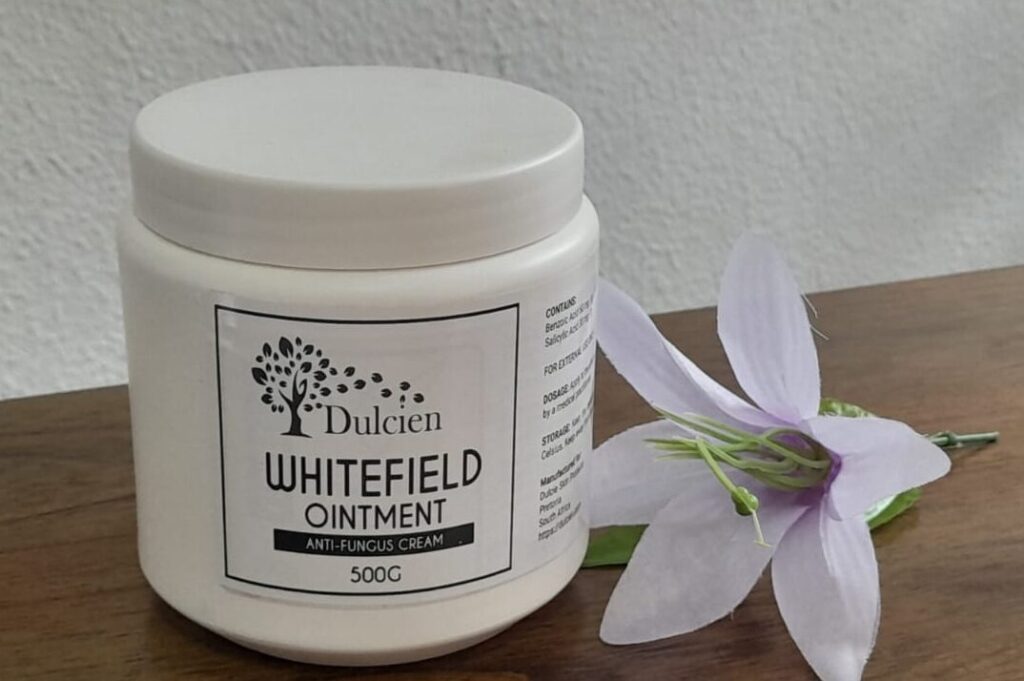
Duclien Whitfield Anti Fungal Cream

Which is the best ointment for fungal infection?

When it comes to treating fungal infections, finding the right ointment is crucial. While there are countless options available, one name consistently stands out: Dulcien Whitfield Anti Fungus Ointment. This remarkable anti-fungal ointment has garnered a loyal following for several reasons.

The Dulcien Whitfield Anti-Fungus Ointment is highly effective in treating a variety of fungal infections. Whether you are dealing with athlete’s foot, jock itch, ringworm, or Tinea versicolor (also known as Pityriasis versicolor), this ointment provides reliable relief.

Dulcien Whitfield Ointment effectively eliminates hand fungus in no time. Try it for fast relief!

What Makes Dulcien Whitfield Anti-Fungus Ointment Unique?

But what really sets Dulcien Whitfield Anti Fungus Ointment apart is its unique formulation. Unlike other creams on the market, Dulcien Whitfield Anti Fungus Ointment contains a powerful combination of anti-fungal agents that work synergistically to target and eliminate the root cause of the infection.

This provides immediate relief from itching and redness while addressing the underlying infection, preventing its return.

Dulcien Whitfield Anti-Fungus Ointment delivers rapid results, providing relief when you need it most!

Dulcien Whitfield Ointment is recognized for its fast-acting properties. Many users have reported significant improvements within just a few days of using the ointment.

This is especially beneficial for those experiencing uncomfortable symptoms and seeking quick relief. With Dulcien Whitfield Ointment , you can say goodbye to the lengthy and burdensome healing process often associated with fungal infections.

Dulcien Whitfield Ointment effectively eliminates feet fungus in no time. Try it for fast relief!

Experience the powerful relief of Dulcien Whitfield Anti-Fungus Ointment, available in a generous container for lasting treatment.

The cream is in a large 500 g container, which will last a year plus. In comparison, there are tubes available on the market that contain only 10 g, but they are expensive and last just a week. Dulcien Whitfield Ointment is a great choice; it effectively keeps fungus at bay at a meager cost for a very long time.

Buying small tubes does not save you money at all. You lose a lot of money, and they run out before resolving the issue, forcing you to buy more. Money is a very scarce commodity we must always think through how we use it. More often than not, our attempts to save money actually lead to losses. It’s essential to be mindful of our choices to truly benefit our finances. The old adage rings true – “Buy Cheap, Pay Twice.”

10 g alternatives
10 mg @ R200 creams in pharmacies. These are a waste of money. You will be buying this weekly. Buy Dulcien Whitfield Ointment and get out of the Shops.

We intentionally provide it in a large container. If you have dealt with a fungal infection, you understand the challenge it poses. Fungi occur naturally on our bodies, and if the conditions for their growth return, they can reappear on the skin. Fungi are a natural part of the human microbiome, residing in various forms on and within our bodies. They can be beneficial or harmful, depending on their balance and location.

Fungal Infections

While many fungi are harmless in and our bodies, they can become problematic when they multiply excessively. This can lead to infections characterized by symptoms like itching, redness, and skin changes. Common fungal infections include:

  • Athlete’s foot (tinea pedis)
  • Ringworm (tinea corporis)
  • Jock itch (tinea cruris)
  • Vaginal yeast infections

To keep your skin fungal-free, continue using Dulcien Whitfield Ointment cream at least twice a week even after it has cleared from your body. By doing this, you will remain bad fungal-free forever. Your skin is going to glow. You will not be ashamed of yourself.

Dulcien Whitfield Ointment Clears Most Fungal Infections

It addresses various types of bad fungal infections on the skin. Purchase once and say goodbye to all sorts of fungal infections.

Tinea versicolor – A common fungal infection of the skin
Tinea capitis – A contagious fungal infection of the Scalp & Skin
Tinea unguium – Toe nail, fingernails
Tinea pedis – Toes (feet); “ATHLETE’S FOOT”
Tinea corporis – Ringworm infection
Tinea cruris – Groin; “JOCK ITCH”
Tinea manum – Hands
Tinea barbae – Facial hair

It is very effective. Within 1 week your skin will have cleared of the fungal infection. Keep using the cream to keep the fungus away.

It can be used on any part of the body. As long as it is the skin, you will be good.

You can safely use it on any part of your skin, allowing you to address your needs wherever they may arise.

Which anti-fungal cream is best for private parts?

When it comes to picking the right antifungal cream for private parts, Dulcien Whitfield Anti Fungus Ointment unquestionably takes the crown. The sensitive area requires special care and attention, and Dulcien Whitfield Anti Fungus Ointment ensures just that. Its gentle yet effective formulation makes it safe to use in delicate regions, providing relief from irritating symptoms while keeping the skin moisturized and nourished.

What makes Dulcien Whitfield Anti Fungus Ointment even more exceptional is its long-lasting action. While some creams lose their potency after a few hours, Dulcien Whitfield Anti Fungus Ointment continues to combat the infection throughout the day, ensuring that you stay fresh and comfortable. Its non-greasy texture and easy application make it a breeze to use, so you can go about your day worry-free.

How long does it take for anti-fungal cream to work?

One of the most frequent questions people have when using antifungal creams is how long it takes for them to start working. With Dulcien Whitfield Anti Fungus Ointment, you can expect to see significant improvements within the first week of use. The powerful combination of antifungal agents in Dulcien Whitfield Anti Fungus Ointment works swiftly to target the infection and alleviate uncomfortable symptoms such as itching and redness.

However, it’s essential to remember that the exact time frame may vary depending on the severity of the infection and individual factors. Some people may experience faster results, while others may require a bit more patience. It’s always a good idea to follow the instructions provided and continue using Dulcien Whitfield Anti Fungus Ointment as directed, even if symptoms start to improve. This will ensure that the infection is completely eradicated and prevents any chances of recurrence.

What is the strongest Anti-Fungal over-the-counter?

When it comes to over-the-counter antifungal creams, Dulcien Whitfield Anti Fungus Ointment takes the crown as the strongest contender. Its unique formulation, which combines powerful antifungal agents, makes it a force to be reckoned with. Dulcien Whitfield Anti Fungus Ointment strength lies not only in its ability to provide immediate relief but also in its long-lasting action and prevention of future infections.

Many users have reported that even after trying multiple other creams, Dulcien Whitfield Anti Fungus Ointment was the only one that effectively eliminated their fungal infection. Its potency and high success rate have made it the go-to choice for countless individuals seeking a reliable solution to their fungal woes.

Anti-fungal cream for Ring-Worms

When it comes to treating the pesky and highly contagious ringworm infection, Dulcien Whitfield Anti Fungus Ointment stands out as a top choice. This powerful antifungal cream has proven its efficacy time and time again, earning the trust and loyalty of users worldwide. Ringworm, a fungal infection that commonly affects the skin, scalp, and nails, can be stubborn to get rid of. However, Dulcien Whitfield Anti Fungus Ointment‘s potent antifungal agents target the infection from its very core, ensuring a swift and effective elimination.

The ease of use and fast-acting nature make Dulcien Whitfield Anti Fungus Ointment an excellent option for those dealing with the discomfort and embarrassment of ringworm. By applying Dulcien Whitfield Anti Fungus Ointment consistently and as directed, users have seen remarkable improvements within days, with symptoms dissipating and the infection disappearing entirely.

Anti-fungal Cream for Private Parts

When it comes to caring for your delicate and sensitive areas, Dulcien Whitfield Anti Fungus Ointment proves to be a game-changer. Its gentle yet potent formulation makes it the ideal choice for treating fungal infections in private parts. Unlike other creams, Dulcien Whitfield Anti Fungus Ointment understands the need for effective relief without causing any further aggravation. Its unique blend of antifungal agents soothes irritation, reduces redness, and promotes healing without causing any discomfort.

What truly sets Dulcien Whitfield Anti Fungus Ointment apart is its exceptional moisturizing properties. It not only combats the infection but also keeps the skin in the intimate area hydrated and nourished. This prevents dryness and further irritation, allowing for a quick and comfortable recovery.

In conclusion, there are many reasons why everyone swears by Dulcien Whitfield Anti Fungus Ointment. From its effectiveness in treating a variety of fungal infections to its gentle yet potent formulation, Dulcien Whitfield Anti Fungus Ointment has established itself as a go-to solution for many individuals seeking relief from discomfort and itching. Its fast-acting nature, long-lasting action, and high success rate make it an excellent choice for both minor and stubborn infections. Whether you’re dealing with ringworms or need a cream specifically designed for private parts, Dulcien Whitfield Anti Fungus Ointment has got you covered. Say goodbye to fungal infections with Dulcien Whitfield Ointment and experience the remarkable difference firsthand.
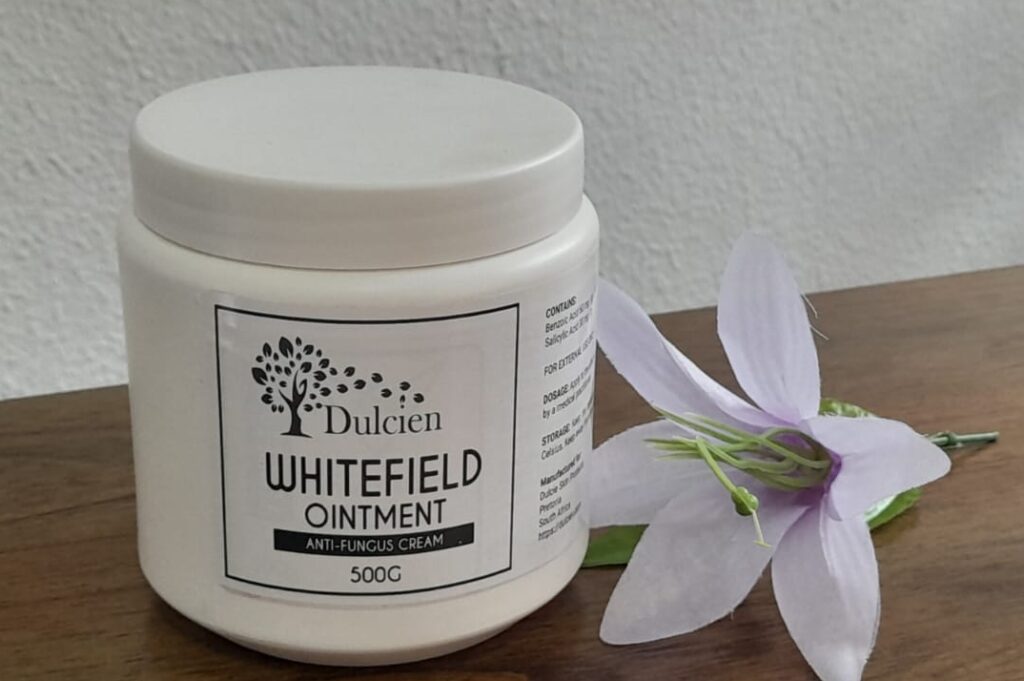

Dulcien Whitfield Cream
Buy Dulcien Anti Fungus Cream Here

Posted on

Reclaim Your Clear, Healthy Skin – Fast & Effectively

Duclien Whitfield Anti Fungal Cream

Clinically Proven Relief from Body Fungus & Skin Infections

Get Your Clear Skin Now – R650 for 500g (dual-action ingredients 1 YEAR SUPPLY )
Other Fungal creams: R200 for 15g – Spend Weekly Supply.
Dulcien Whitfield: R650 for 500g = Only R1.80/day for a year’s supply!
“Long-Lasting Supply = Long-Term Savings”
Only R650 – Free Shipping – Buy Now


Why Dulcien Whitfield’s Ointment Cream Works

Powerful Dual-Action Formula

Dulcien Whitfield’s Ointment Cream combines the power of Benzoic Acid (60mg/g) and Salicylic Acid (30mg/g). It treats fungal infections quickly. The treatment is also effective. These active ingredients work together to:

  • Benzoic Acid: Disrupts fungal cell membranes, stopping the infection in its tracks.
  • Salicylic Acid: Exfoliates infected skin and boosts the effectiveness of Benzoic Acid by aiding deeper penetration.

Proven to Treat Common Fungal Infections

Whether you’re suffering from Tinea Versicolor, Jock Itch, Athlete’s Foot, or other body fungal infections, you can find relief quickly. Dulcien Whitfield’s Ointment is designed for fast relief. This potent formula tackles a wide range of skin fungal conditions.

Long-Term Value

Unlike other small, costly tubes, Dulcien Whitfield’s Ointment comes in a generous 500g tub. It can last for up to a full year. That’s R650 for 365 days of clear skin – that’s less than R1.80/day!

Gentle Yet Effective

Designed for daily use on sensitive areas, Dulcien Whitfield’s Ointment is gentle on your skin. Yet, it still provides clinical strength antifungal relief.

Dulcien Whitfield Ointment Cream 500g

Together, these ingredients create a keratolytic, antifungal powerhouse — recommended for treating:

  • Tinea pedis (Athlete’s Foot)
  • Tinea corporis (Ringworm)
  • Tinea versicolor
  • Jock itch
  • Seborrhoeic dermatitis
  • Psoriasis, acne, and scaling skin
  • Eczema

💡What Makes Us Different?

FeatureDulcien WhitfieldLeading Pharmacy Brands
Size500g (up to 1-year supply)10 -15g (1 to 2 weeks supply)
ValueR650 once-offR200+ monthly
EffectivenessDual-action, deep penetrationOften surface-level relief
UsageDaily preventative & treatmentShort-term, recurring cost

👉 Only R1.80/day for peace of mind, all year round.

Real Results from Real Customers

Thabo from Johannesburg says:

“I’ve struggled with Jock Itch for years, trying everything. Dulcien Whitfield’s Ointment worked in just 7 days! My skin has never been clearer, and I’m finally free from the embarrassment!”

Naledi from Durban shares:

“A year’s supply for R650? You can’t beat that! My skin is now smooth, and I don’t have to worry about recurring fungal outbreaks anymore!”

Nthabiseng from Rustenburg testimonial:

“It is a very good product. Fungus on my thighs disappeared after 3 days. I have been struggling with this for years now. I’m really great full this product is the best.”

Jennifer’s from Mafikeng’s Recommendation:

“I’ve had tinea versicolor for years and it progressively got worse. I tried everything. This seems to be the only product that’s working. Only been using it for just over 2 weeks, but already seeing results on my neck. The discolouration has always made me feel so insecure, but it’s almost gone. This product works.

Dineo from Midrand Says:

“Absolutely the best. I had fungal issues, surrounding my pantyliner area. It kept on coming and going. When it came back, it felt worse than before, and there was no way to fix it. Felt helpless. Product after product and nothing helped like this one did. This product helped within 7 days, I could feel the difference. It feels like a thing of the past. For 2 weeks now, I have used it daily, 1-2 times a day as needed. I truly recommend. I do not need to restock as the container is very big. I am sorted for a year and maybe longer.


The Science Behind It

Benzoic Acid:

This powerful antifungal agent disrupts fungal cell membranes, stopping the fungus from growing and spreading.

Salicylic Acid:

A natural exfoliant, Salicylic Acid softens and removes infected skin cells, helping the antifungal ingredients penetrate deeper for faster results.


How to Use Dulcien Whitfield’s Ointment

  1. Clean and Dry: Wash the affected area and dry thoroughly.
  2. Apply the Ointment: Gently apply a generous amount of Dulcien Whitfield’s Ointment to the affected area.
  3. Consistency is Key: Use daily to ensure that the fungus is effectively managed and to prevent recurrence.
  4. Maintain Good Hygiene: Keep the affected areas clean and dry to help prevent fungal growth.

Limited Time Offer – Act Now!

Hurry! Due to massive demand, the price of R650 for 500g won’t last forever! Only 25 units left at this price. Order now and start enjoying clear, healthy skin today! You will never go back to the dermatologist ever again.

Don’t Wait!

Take control of your skin today and say goodbye to the discomfort and embarrassment of fungal infections. With Dulcien Whitfield’s Ointment Cream, you’re getting clinical-strength relief at an affordable price.

Buy Now – Only R650 for a Full Year’s Supply

Free Delivery | 30-Day Money-Back Guarantee

Dulcien Whitfields Ointment Cream (Anti Fungus Cream)
Click to Buy Dulcien Whitfield Ointment Cream

Frequently Asked Questions (FAQs)

How soon will I see results?

Most users notice visible improvement in 7–14 days with consistent daily use.

Is it safe for daily use?

Yes, Dulcien Whitfield’s Ointment is formulated for daily application and is gentle on the skin, even for sensitive areas.

What if it doesn’t work for me?

We offer a 30-day money-back guarantee. If you’re not completely satisfied, simply contact us within 30 days for a full refund.


Contact & Support

Need help or have questions?


Posted on

Best Magnesium for Pregnant Women

Pregnant women need magnesium for them to function properly and also allow the unborn to grow into a healthy human being.  However, the type of magnesium they need depends on their body’s needs.  Pregnant women like all human beings are different. Each pregnant woman has different needs.


Your magnesium needs will be determined by your health practitioner.


Why Pregnant Women Need Magnesium?

Magnesium is an essential co-factor in more than 350 enzymatic (chemical activities in the body) and metabolic (chemical activity in the cells of the body that changes food into energy for the body to function) functions in the body; this helps regulate diverse biochemical reactions, including protein synthesis, muscle and nerve function, blood glucose control and blood pressure regulation. 


These are critical things in the pregnant woman’s life for her to remain healthy and for the baby too. 


Magnesium is required by each cell for cellular energy production and helps to keep the cells functioning optimally by preventing oxidation- hardening (oxygen is turned into what the body can use – this process is called oxidation) calcification of the cell membranes.  


Oxidation (oxygen is turned into what the body can use – this process is called oxidation) creates unstable molecules in the body called Free Radicals these destroy body cells leading to sickness such as High Blood Pressure.  Pregnant women are highly susceptible to this kind of issue and Magnesium helps control the problem of Oxidation and the diseases it creates in them.


Magnesium helps keep the body soft, supple, strong, and young.  Magnesium is also important for the production of your DHEA hormone which naturally decreases from the age of 30 or even faster when you are magnesium deficient, causing premature aging, wrinkles as well as aches and pains. 


Magnesium is required for the synthesis of DNA and RNA which contributes to the proper development of body cells and is thus also essential for babies and children for the proper development of the muscles, bones, and other tissues – most of which already develop in the womb.  It is therefore essential that MINERAL Magnesium™ oral supplement and Blue Spray is used during pregnancy.


Pregnant women need to ensure they get an adequate amount of magnesium, as magnesium plays a crucial role in various bodily functions, including bone health, muscle function, and energy production. However, before adding any supplements to your pregnancy regimen, it’s essential to consult with your healthcare provider. They can provide personalized advice based on your specific needs and health status.


If your healthcare provider determines that a magnesium supplement is necessary, they may recommend magnesium citrate or magnesium glycinate, as these forms are generally well-absorbed by the body. Magnesium oxide is another common form, but it has lower bioavailability and can have a laxative effect, which might not be desirable during pregnancy.


In addition to supplements, it’s also possible to increase magnesium intake through dietary sources. Foods rich in magnesium include nuts, seeds, whole grains, leafy green vegetables, and legumes.


Remember, it’s crucial to discuss any supplements or dietary changes with your healthcare provider to ensure they are appropriate for your individual health needs and the needs of your developing baby.


Pregnancy cannot be normal unless Magnesium levels are adequate.


The concentration of Magnesium in the placental and fetal tissue increases during pregnancy, therefore requirements for magnesium and other minerals increase dramatically.  With general magnesium-depleted soil and deficiencies in our bodies, a pregnant woman must supplement with magnesium.   MINERAL Magnesium™ Oil provides more elemental magnesium due to its liquid form. 


Symptoms that can be prevented or relieved by having adequate magnesium levels during pregnancy:

Spasms

Back Pain

Swollen Feet

Water Retention

Constipation

Hemorrhoids (Piles)

Stretch Marks

Heartburn

Miscarriages

Premature Labour

Gestational Diabetes

Blood Pressure (Preeclampsia)

Chronic Fatigue


Magnesium aids in many different aspects of your life, including helping prepare the womb for pregnancy and preventing a miscarriage. 


Studies found that magnesium prevents hemorrhaging (bleeding) in the brain of infants whose mothers have hypertension (Preeclampsia). Several controlled trials have provided compelling evidence that Magnesium is the drug of choice as a preventative treatment for preeclampsia, whether preterm or term.  Scientists have shown that giving Magnesium to pregnant women may greatly reduce the incidence of cerebral palsy and the surprising outcome of some studies was the reduction of mental retardation when magnesium chloride was provided during pregnancy.  – Supports Healthy Brain Development of the baby.


Magnesium is needed for reproductive fertility and the use of pharmaceutical contraceptives is known to diminish magnesium stores in our body.  Magnesium plays a crucial role in fertility, pregnancy, and in early newborn life and many of the problems associated with pregnancy and birth can be resolved by Magnesium supplementation.


“Magnesium is frequently used as the treatment for stopping premature labour, and the seizures of eclampsia, at the point it starts, but might be more helpful in preventing these if supplemented throughout pregnancy.” -Dr. Jean Durlach


Magnesium’s important role in our body starts in the womb as magnesium helps build and repair body tissue in both the mother and the unborn baby. Magnesium relaxes muscles and research suggests that proper levels of Magnesium during pregnancy can help keep the uterus from contracting until week 35. Dropping Magnesium levels at this point may start labour contractions.


Magnesium Citrate


Magnesium citrate is a magnesium salt of citric acid, and it is commonly used as a dietary supplement. It’s a combination of magnesium and citric acid, and it is available in various forms, including powder, liquid, and capsules. The citric acid in magnesium citrate not only provides a source of magnesium but also may enhance the absorption of magnesium in the digestive tract.


Key points about magnesium citrate:


  1. Absorption: Magnesium citrate is known for its relatively high absorption in the body. The presence of citric acid can help increase solubility and improve absorption in the intestines.

  2. Laxative Effect: One notable aspect of magnesium citrate is its use as a laxative. When taken in larger amounts, magnesium citrate can draw water into the intestines, leading to softer stools and promoting bowel movements. This property is often utilized in medical settings to relieve constipation.

  3. Forms: Magnesium citrate supplements come in different forms, including liquid solutions, powders, and capsules. The liquid form is often consumed orally and is known for its relatively fast action.

  4. Uses: Aside from its use as a laxative, magnesium citrate is also taken as a dietary supplement to address magnesium deficiencies. Adequate magnesium levels are important for various bodily functions, including muscle and nerve function, bone health, and energy production.

  5. Side Effects: Common side effects of magnesium citrate include diarrhea and an upset stomach, especially when taken in higher doses. It’s important to use magnesium citrate supplements under the guidance of a healthcare provider, especially if you have any pre-existing health conditions or concerns.

As with any supplement, it’s crucial to consult with your healthcare provider before starting magnesium citrate or any other magnesium supplement. They can guide the appropriate dosage based on your individual health needs and help monitor for any potential interactions with medications or existing health conditions.


Magnesium Glycinate


Magnesium glycinate is a form of magnesium supplement that is bound to the amino acid glycine. This combination is believed to enhance the absorption of magnesium in the body. Glycine is a relatively small molecule, and this can contribute to the bioavailability of magnesium, making it readily absorbable in the digestive tract.


Here are some key points about magnesium glycinate:


  1. Absorption and Bioavailability: Magnesium glycinate is often promoted for its high absorption rate and bioavailability. The presence of glycine may help facilitate the entry of magnesium into cells.

  2. Glycine Benefits: Glycine itself is an amino acid with potential benefits, including its role in promoting relaxation and sleep. Some people choose magnesium glycinate for its calming effects, as both magnesium and glycine can have a mild sedative effect.

  3. Laxative Properties: Unlike some other forms of magnesium, such as magnesium citrate, magnesium glycinate is less likely to cause diarrhea or have a pronounced laxative effect. This makes it a preferred choice for individuals who want to avoid digestive issues associated with certain magnesium supplements.

  4. Uses: Magnesium glycinate is commonly used as a dietary supplement to address magnesium deficiencies. It may be chosen by individuals who are sensitive to other forms of magnesium or who are looking to avoid potential gastrointestinal side effects.

  5. Forms: Magnesium glycinate is available in various forms, including capsules, tablets, and powders.

  6. Side Effects: Magnesium glycinate is generally well-tolerated, and side effects are relatively uncommon. However, as with any supplement, it’s important to use it under the guidance of a healthcare provider, especially if you have underlying health conditions or are taking medications.

It’s crucial to consult with a healthcare professional before starting any magnesium supplement, including magnesium glycinate, to determine the appropriate dosage based on your individual needs and health status. They can provide personalized advice and monitor for any potential interactions with medications or existing health conditions.


Posted on Leave a comment

What is the Most Critical Mineral in Your Body?

Magnesium is a crucial mineral that plays a vital role in various physiological functions within the human body. Here are some key aspects of the power of magnesium:


Energy Production: Magnesium is a cofactor in the production of adenosine triphosphate (ATP), which is the primary energy currency of cells. It is involved in many enzymatic reactions related to energy metabolism.

  1. Muscle Function: Magnesium is essential for proper muscle function, including muscle contraction and relaxation. It helps regulate neuromuscular signals and is crucial for the function of ion channels that control muscle contractions.
  2. Bone Health: Magnesium is a key component of bone structure, working in conjunction with calcium and phosphorus. It contributes to bone density and helps prevent osteoporosis.
  3. Heart Health: Magnesium plays a role in maintaining a regular heartbeat and supporting overall cardiovascular health. It helps regulate blood pressure and supports the function of the heart muscle.
  4. Nervous System Function: Magnesium is important for the proper functioning of the nervous system. It plays a role in neurotransmitter release and helps regulate the excitability of neurons.
  5. DNA and RNA Synthesis: Magnesium is involved in the synthesis of nucleic acids (DNA and RNA) and is essential for the stability and structure of these molecules.
  6. Blood Sugar Regulation: Magnesium plays a role in insulin action and glucose metabolism. Adequate magnesium levels may contribute to better insulin sensitivity and help in the prevention of type 2 diabetes.
  7. Anti-inflammatory Effects: Magnesium has been associated with anti-inflammatory effects in the body. It may help modulate inflammatory responses and contribute to overall immune system function.
  8. Mood Regulation: There is evidence to suggest that magnesium may play a role in mood regulation and the prevention of conditions such as depression and anxiety. It is involved in the regulation of neurotransmitters and the hypothalamic-pituitary-adrenal (HPA) axis.
  9. Electrolyte Balance: Magnesium works alongside other electrolytes like sodium, potassium, and calcium to maintain proper fluid balance in and around cells.

It’s important to note that while magnesium is essential for health, excessive intake can lead to toxicity. Conversely, inadequate magnesium levels can result in conditions like hypomagnesemia. It’s generally recommended to obtain magnesium through a balanced diet that includes magnesium-rich foods such as leafy green vegetables, nuts, seeds, whole grains, and legumes. If you have concerns about your magnesium levels, it’s advisable to consult with a healthcare professional.

Posted on

Are You Struggling with Sleeping? Magnesium – will Get You Sleeping Easily

Magnesium is often touted for its potential to aid in sleep and relaxation. Here’s how magnesium may contribute to better sleep:

  1. Muscle Relaxation: Magnesium plays a crucial role in muscle function, including relaxation. Having sufficient magnesium in the body can help relax muscles, potentially reducing muscle cramps and tension that might interfere with sleep.
  2. Nervous System Calming: Magnesium has a calming effect on the nervous system. It helps regulate neurotransmitters and may influence the activity of the parasympathetic nervous system, promoting a state of relaxation.
  3. Melatonin Regulation: Magnesium may influence the production and release of melatonin, a hormone that regulates the sleep-wake cycle. Adequate levels of magnesium may help enhance melatonin levels, promoting better sleep.
  4. GABA Enhancement: Magnesium is thought to enhance the activity of gamma-aminobutyric acid (GABA), a neurotransmitter that has calming effects on the brain. GABA is often referred to as the “calming neurotransmitter,” and its activity can help induce relaxation and sleep.
  5. Stress Reduction: Magnesium has been associated with stress reduction. Chronic stress can contribute to sleep disturbances, and magnesium’s calming effects may help mitigate the impact of stress on sleep.

If you’re considering using magnesium supplements to improve sleep, it’s important to consult with a healthcare professional before starting any new supplementation. Here are a few tips:

  • Choose the Right Form: There are different forms of magnesium supplements, such as magnesium citrate, magnesium glycinate, and magnesium oxide. Some forms are better absorbed than others. Magnesium glycinate is often recommended for its higher bioavailability and lower likelihood of causing digestive upset.
  • Dosage Considerations: The appropriate dosage of magnesium can vary from person to person. It’s important not to exceed recommended dosages, as excessive magnesium intake can lead to adverse effects.
  • Timing: Taking magnesium supplements in the evening may be particularly beneficial for sleep, as it aligns with the body’s natural circadian rhythm and the onset of melatonin release.

In addition to considering magnesium supplementation, it’s crucial to maintain a healthy sleep routine, including a consistent sleep schedule, a comfortable sleep environment, and other lifestyle practices that support good sleep hygiene. If you’re experiencing persistent sleep issues, it’s advisable to consult with a healthcare professional to identify and address any underlying concerns.

Posted on

The Mind-Blowing Benefits of Magnesium Citrate: The Natural Solution for High Blood Pressure Control.

Magnesium to lower blood pressure

There is some evidence to suggest that magnesium may have a modest effect on blood pressure regulation, and its role in cardiovascular health is well-established. Here’s how magnesium may contribute to lowering blood pressure:

  1. Vasodilation: Magnesium helps relax blood vessels, leading to vasodilation. This relaxation of the blood vessels can result in improved blood flow and reduced resistance, which may contribute to lower blood pressure.
  2. Regulation of Calcium: Magnesium works in conjunction with calcium to regulate blood vessel tone. Adequate magnesium levels can help balance calcium levels, preventing excessive contraction of blood vessels.
  3. Anti-Inflammatory Effects: Chronic inflammation can contribute to hypertension. Magnesium has anti-inflammatory properties, and its ability to modulate inflammatory responses may have a positive impact on blood pressure.
  4. Endothelial Function: Magnesium supports the health and function of the endothelium, the inner lining of blood vessels. A healthy endothelium is crucial for proper blood vessel function, and dysfunction can contribute to hypertension.
  5. Insulin Sensitivity: Magnesium plays a role in insulin action and glucose metabolism. Improved insulin sensitivity may contribute to better blood pressure control.

It’s important to note that while magnesium may have a beneficial effect on blood pressure, its impact is generally considered to be modest. Lifestyle factors such as maintaining a healthy diet, regular physical activity, and managing stress are also crucial for blood pressure management.

If you’re considering using magnesium supplements to help lower blood pressure, it’s important to consult with a healthcare professional. They can help determine the appropriate dosage and form of magnesium for your specific needs. Additionally, magnesium should be part of an overall heart-healthy lifestyle, and any concerns about blood pressure should be addressed in consultation with a healthcare provider who can provide personalized advice based on your individual health status.

Posted on

Unleash Your Child’s Potential: How Magnesium Can Supercharge Their Growth

Magnesium is an essential mineral for overall health, and it plays various roles in the body, even in children. Here’s a guide on magnesium for kids:

1. Importance of Magnesium for Kids:

  • Bone Health: Magnesium, along with calcium and vitamin D, is crucial for the development and maintenance of strong and healthy bones in growing children.
  • Muscle Function: Magnesium is involved in muscle contraction and relaxation, contributing to the proper functioning of muscles.
  • Energy Production: Magnesium is a cofactor in the production of ATP, the energy currency of cells, supporting overall energy metabolism.
  • Nervous System Function: Magnesium plays a role in the regulation of neurotransmitters, supporting the development and function of the nervous system.

2. Dietary Sources of Magnesium for Kids:

  • Whole Grains: Foods like whole wheat bread, brown rice, and oats are good sources of magnesium.
  • Leafy Green Vegetables: Spinach, kale, and other leafy greens are rich in magnesium.
  • Nuts and Seeds: Almonds, sunflower seeds, and pumpkin seeds contain magnesium.
  • Dairy Products: Dairy foods like yogurt and cheese provide magnesium along with calcium.
  • Legumes: Beans, lentils, and peas are magnesium-rich plant-based sources.

3. Symptoms of Magnesium Deficiency in Kids:

  • While magnesium deficiency is not common in well-nourished children, certain symptoms may indicate a potential deficiency. These can include muscle cramps, irritability, fatigue, and changes in appetite.

4. Supplementation for Kids:

  • In general, it’s best for children to obtain nutrients, including magnesium, from a well-balanced diet. Most children can meet their magnesium needs through food sources.
  • If there are concerns about magnesium intake, it’s important to consult with a pediatrician before considering supplements. Excessive magnesium intake can lead to adverse effects.

5. Age-Appropriate Dosages:

  • The recommended dietary allowance (RDA) for magnesium varies by age. For example, as of my last knowledge update in January 2022, the RDA for magnesium is around 80 mg for children aged 1-3 years, 130 mg for children aged 4-8 years, and 240 mg for children aged 9-13 years.

6. Kids with Certain Health Conditions:

  • Children with certain health conditions or dietary restrictions may be at risk for magnesium deficiency. In such cases, healthcare professionals may consider appropriate supplementation.

7. Educate on Healthy Eating:

  • Encourage a well-balanced diet that includes a variety of nutrient-rich foods to ensure an adequate intake of magnesium and other essential nutrients.

Always consult with a pediatrician or healthcare professional before introducing any supplements to a child’s diet, as individual needs may vary. They can provide guidance based on the child’s age, health status, and dietary habits.

Posted on

Magnesium Can Be Used to Relieve Constipation


Magnesium can be an effective and natural remedy for constipation. Here’s how magnesium works to alleviate constipation and some considerations for its use:

1. Osmotic Effect:

  • Magnesium is an osmotic agent, meaning it draws water into the intestines. This increased water in the intestines helps soften the stool, making it easier to pass.

2. Muscle Relaxation:

  • Magnesium has a relaxing effect on smooth muscles, including those in the intestines. This relaxation can help ease the passage of stool through the digestive tract.

3. Stool Softening:

  • Magnesium can help soften the stool by increasing water content in the intestines and preventing the stool from becoming hard and difficult to pass.

4. Types of Magnesium for Constipation:

  • Magnesium Citrate: This form is often used for constipation relief. It has a high bioavailability and can quickly produce a laxative effect.
  • Magnesium Hydroxide (Milk of Magnesia): This is another common form used for constipation. It works by drawing water into the intestines.
  • Magnesium Oxide: While less bioavailable, magnesium oxide is sometimes used for constipation. It tends to have a slower onset of action.

5. Dosage and Timing:

  • The appropriate dosage of magnesium for constipation varies among individuals. It’s advisable to start with a lower dose and gradually increase if needed.
  • Magnesium is often taken in the evening or before bedtime, as this aligns with the body’s natural circadian rhythm and can lead to a bowel movement the following morning.

6. Hydration:

  • It’s crucial to drink plenty of water when using magnesium for constipation. Adequate hydration helps support the osmotic effect and prevents dehydration.

7. Considerations and Caution:

  • Individual Variability: Response to magnesium can vary among individuals. What works for one person may not work the same way for another.
  • Medical Conditions: Individuals with kidney problems should consult their healthcare provider before using magnesium supplements.
  • Medication Interactions: Some medications may interact with magnesium, so it’s essential to check with a healthcare professional, especially if someone is taking other medications.

8. Dietary Sources:

  • Encouraging a diet rich in magnesium-containing foods, such as leafy green vegetables, whole grains, nuts, and seeds, can also contribute to regular bowel movements.

9. Consultation with Healthcare Provider:

  • Before using magnesium supplements for constipation on a regular basis, it’s advisable to consult with a healthcare provider, especially if there are any underlying health conditions.

While magnesium can be effective for constipation relief, it’s important to use it judiciously and under the guidance of a healthcare professional, especially for long-term use. Chronic constipation should also be discussed with a healthcare provider to identify and address any underlying causes.

Alicia tried everything under the sun to regain her body and nothing worked.  She exercised, went on a diet, and did everything possible, unfortunately, her body was not responding.   

This bad situation for Alicia remained until she discovered Mineral Magnesium.

Posted on

Magnesium for Leg Cramps

Magnesium is often used as a remedy for leg cramps, particularly nocturnal leg cramps (cramps that occur during the night). Here’s how magnesium may help alleviate leg cramps and some considerations for its use:

1. Muscle Relaxation:

  • Magnesium is a mineral that plays a crucial role in muscle function. It helps regulate muscle contractions and relaxations. Insufficient magnesium levels may contribute to muscle cramps, and magnesium supplementation can help address this deficiency.

2. Electrolyte Balance:

  • Magnesium works in conjunction with other electrolytes, such as potassium and calcium, to maintain proper muscle function. An imbalance in electrolytes can lead to muscle cramps, and ensuring an adequate intake of magnesium helps support overall electrolyte balance.

3. Vasodilation:

  • Magnesium has vasodilatory effects, meaning it helps relax blood vessels. Improved blood circulation can contribute to muscle relaxation and reduce the likelihood of cramps.

4. Types of Magnesium for Leg Cramps:

  • Magnesium Citrate: This form is commonly used for its high bioavailability and quick absorption. It’s often recommended for acute situations, such as relieving leg cramps.
  • Magnesium Glycinate: This form is less likely to cause digestive upset and may be a good option for those who experience gastrointestinal issues with other forms.
  • Magnesium Oil: Applied topically, magnesium oil is absorbed through the skin and may be an alternative for those who prefer not to take oral supplements.

5. Dosage:

  • The appropriate dosage of magnesium for leg cramps can vary. It’s advisable to start with a lower dose and gradually increase if needed. Excessive magnesium intake can lead to diarrhea, so finding the right balance is important.

6. Timing of Supplementation:

  • Taking magnesium in the evening or before bedtime may be beneficial, as this aligns with the body’s natural circadian rhythm and can potentially help prevent nocturnal leg cramps.

7. Considerations:

  • Underlying Causes: While magnesium deficiency is one potential cause of leg cramps, there are other factors that can contribute, such as dehydration, certain medications, or underlying medical conditions. It’s essential to address any underlying causes.
  • Consultation with Healthcare Provider: Before starting magnesium supplementation for leg cramps, it’s advisable to consult with a healthcare provider, especially if there are concerns about magnesium levels or if the cramps are persistent.

8. Dietary Sources:

  • Encouraging a diet rich in magnesium-containing foods, such as leafy green vegetables, nuts, seeds, and whole grains, can contribute to overall magnesium intake.

Magnesium can be a helpful component of a comprehensive approach to managing leg cramps, but it’s important to approach supplementation with care and under the guidance of a healthcare professional, especially if there are underlying health concerns. If leg cramps persist or worsen, seeking medical advice is advisable to identify and address the root cause.

Posted on

Unraveling the Causes of Fungal Infections on the Skin

Introduction

Skin, our body’s largest organ, is susceptible to various infections, including fungal infections. These common yet bothersome conditions can cause discomfort, itching, and even embarrassment. Understanding what causes fungal infections on the skin is key to prevention and effective treatment. In this article, we will delve into the intricate factors that contribute to these stubborn infections, offering insights and solutions along the way.

Causes of Fungal Infections on the Skin

1. Warm and Moist Environments

Fungi thrive in warm, moist environments, making certain areas of the body more susceptible to infection. Sweaty regions, such as the groin, armpits, and areas between the toes, create an ideal breeding ground for fungi. Prolonged exposure to such conditions, especially without proper ventilation or regular drying, can lead to fungal infections.

Fungal diseases are more common in countries in the tropics. These are countries that do not experience winter. The warm environment makes the skin fungus thrive.

“Moisture is the enemy when it comes to preventing fungal infections. Keep your skin dry to keep the fungi at bay.” – Dr. Derm, Dermatologist

2. Weakened Immune System

A weakened immune system can be an open invitation for fungal infections to take hold. Medical conditions such as diabetes, HIV/AIDS, or undergoing immunosuppressive treatments can compromise the body’s defense mechanisms. When the immune system is unable to combat fungal spores effectively, infections can occur more easily and become more challenging to treat.

3. Direct Contact with Infected Individuals or Surfaces

Fungal infections can spread through direct contact with infected individuals or contaminated surfaces. Communal areas like public showers, locker rooms, and swimming pools can harbor fungi, making it crucial to wear protective footwear in these environments. Sharing personal items such as towels, clothing, or even nail clippers can also contribute to the transmission of fungal infections.

“Prevention is key in stopping the spread of fungal infections. Maintain good personal hygiene and avoid sharing personal items to minimize the risk.” – Dr. Hygiene, Dermatologist

4. Compromised Skin Barrier

An intact skin barrier acts as the body’s first line of defense against infections. However, any condition that compromises the skin’s integrity, such as cuts, abrasions, or pre-existing skin conditions like eczema, can increase the risk of fungal infections. These vulnerabilities provide fungi with an entry point to invade and flourish on the skin.

5. Excessive Sweating and Poor Hygiene

Excessive sweating, exacerbated by physical activity or high temperatures, can create a moist environment where fungi thrive. Coupled with poor personal hygiene practices, such as infrequent bathing, inadequate drying of skin folds, or wearing sweaty clothes for extended periods, this can increase the likelihood of developing a fungal infection.

“Don’t underestimate the importance of good hygiene. Regularly wash and dry your body, paying close attention to skin folds prone to sweating.” – Dr. Clean, Dermatologist

6. Certain Medications and Antibiotics

Long-term use of antibiotics, which disrupt the balance of microorganisms on the skin, and certain medications like corticosteroids can lead to an overgrowth of fungi. These imbalances in the skin’s microbial ecosystem, known as the skin microbiome, can create an environment where fungal infections can flourish.

“If you’re on medications that increase your risk of fungal infections, consult your healthcare provider for guidance on preventive measures.” – Dr. Meds, Dermatologist

7. Tight clothing and Non-Breathable Fabrics

Wearing tight-fitting clothing made from non-breathable fabrics can create an environment conducive to fungal growth. These clothing choices hinder proper ventilation and trap moisture against the skin, providing fungi with an ideal environment to thrive. Opt for loose clothing made from breathable fabrics like cotton to reduce the risk of fungal infections.

What to do if Infected with a skin fungal infection?

Get for yourself Dulcie SkinGlow Witfield Ointment. It is a topical cream that will last you almost a year and you will be able to keep this stubborn disease at bay.

Fungus cannot be treated successfully by using small creams that last you a week. You will be deceiving yourself. Fungus is very stubborn, and it keeps coming back. As soon as the tube is finished a week or so later you find the fungus growing again in the same spot.

The solution is to consistently keep using the cream. But these creams are very expensive. To go around this problem is to buy a huge bottle that will last you a longer period of time. When you do the Math’s, it will be a no brainer. You will be making a massive saving.

Conclusion

Fungal infections on the skin can be both irritating and embarrassing, but understanding their causes is key to prevention and effective treatment. Factors like warm and moist environments, a weakened immune system, direct contact with infected individuals or surfaces, compromised skin barrier, excessive sweating and poor hygiene, certain medications and antibiotics, and tight clothing can all contribute to these stubborn infections. By implementing good hygiene practices, maintaining a healthy immune system, and being mindful of our surroundings, we can minimize the risk of fungal infections and enjoy healthy, fungus-free skin.

“Take charge of your skin health by adopting preventive measures and seeking prompt treatment to keep fungal infections at bay.” – Dr. Skin, Dermatologist