
Posted on

Unraveling the Causes of Fungal Infections on the Skin

Introduction

Skin, our body’s largest organ, is susceptible to various infections, including fungal infections. These common yet bothersome conditions can cause discomfort, itching, and even embarrassment. Understanding what causes fungal infections on the skin is key to prevention and effective treatment. In this article, we will delve into the intricate factors that contribute to these stubborn infections, offering insights and solutions along the way.

Causes of Fungal Infections on the Skin

1. Warm and Moist Environments

Fungi thrive in warm, moist environments, making certain areas of the body more susceptible to infection. Sweaty regions, such as the groin, armpits, and areas between the toes, create an ideal breeding ground for fungi. Prolonged exposure to such conditions, especially without proper ventilation or regular drying, can lead to fungal infections.

Fungal diseases are more common in countries in the tropics. These are countries that do not experience winter. The warm environment makes the skin fungus thrive.

“Moisture is the enemy when it comes to preventing fungal infections. Keep your skin dry to keep the fungi at bay.” – Dr. Derm, Dermatologist

2. Weakened Immune System

A weakened immune system can be an open invitation for fungal infections to take hold. Medical conditions such as diabetes, HIV/AIDS, or undergoing immunosuppressive treatments can compromise the body’s defense mechanisms. When the immune system is unable to combat fungal spores effectively, infections can occur more easily and become more challenging to treat.

3. Direct Contact with Infected Individuals or Surfaces

Fungal infections can spread through direct contact with infected individuals or contaminated surfaces. Communal areas like public showers, locker rooms, and swimming pools can harbor fungi, making it crucial to wear protective footwear in these environments. Sharing personal items such as towels, clothing, or even nail clippers can also contribute to the transmission of fungal infections.

“Prevention is key in stopping the spread of fungal infections. Maintain good personal hygiene and avoid sharing personal items to minimize the risk.” – Dr. Hygiene, Dermatologist

4. Compromised Skin Barrier

An intact skin barrier acts as the body’s first line of defense against infections. However, any condition that compromises the skin’s integrity, such as cuts, abrasions, or pre-existing skin conditions like eczema, can increase the risk of fungal infections. These vulnerabilities provide fungi with an entry point to invade and flourish on the skin.

5. Excessive Sweating and Poor Hygiene

Excessive sweating, exacerbated by physical activity or high temperatures, can create a moist environment where fungi thrive. Coupled with poor personal hygiene practices, such as infrequent bathing, inadequate drying of skin folds, or wearing sweaty clothes for extended periods, this can increase the likelihood of developing a fungal infection.

“Don’t underestimate the importance of good hygiene. Regularly wash and dry your body, paying close attention to skin folds prone to sweating.” – Dr. Clean, Dermatologist

6. Certain Medications and Antibiotics

Long-term use of antibiotics, which disrupt the balance of microorganisms on the skin, and certain medications like corticosteroids can lead to an overgrowth of fungi. These imbalances in the skin’s microbial ecosystem, known as the skin microbiome, can create an environment where fungal infections can flourish.

“If you’re on medications that increase your risk of fungal infections, consult your healthcare provider for guidance on preventive measures.” – Dr. Meds, Dermatologist

7. Tight clothing and Non-Breathable Fabrics

Wearing tight-fitting clothing made from non-breathable fabrics can create an environment conducive to fungal growth. These clothing choices hinder proper ventilation and trap moisture against the skin, providing fungi with an ideal environment to thrive. Opt for loose clothing made from breathable fabrics like cotton to reduce the risk of fungal infections.

What to do if Infected with a skin fungal infection?

Get for yourself Dulcie SkinGlow Witfield Ointment. It is a topical cream that will last you almost a year and you will be able to keep this stubborn disease at bay.

Fungus cannot be treated successfully by using small creams that last you a week. You will be deceiving yourself. Fungus is very stubborn, and it keeps coming back. As soon as the tube is finished a week or so later you find the fungus growing again in the same spot.

The solution is to consistently keep using the cream. But these creams are very expensive. To go around this problem is to buy a huge bottle that will last you a longer period of time. When you do the Math’s, it will be a no brainer. You will be making a massive saving.

Conclusion

Fungal infections on the skin can be both irritating and embarrassing, but understanding their causes is key to prevention and effective treatment. Factors like warm and moist environments, a weakened immune system, direct contact with infected individuals or surfaces, compromised skin barrier, excessive sweating and poor hygiene, certain medications and antibiotics, and tight clothing can all contribute to these stubborn infections. By implementing good hygiene practices, maintaining a healthy immune system, and being mindful of our surroundings, we can minimize the risk of fungal infections and enjoy healthy, fungus-free skin.

“Take charge of your skin health by adopting preventive measures and seeking prompt treatment to keep fungal infections at bay.” – Dr. Skin, Dermatologist

Posted on

Why Dieting and Exercise Fail: Insights on Weight Loss Plateaus

You are experiencing a lack of weight loss, despite exercising and dieting. You are doing everything possible to shed the kilos. It is frustrating! This situation is often referred to as a weight-loss plateau, and it can occur for several reasons, which include: 1. Metabolic Adaptation, 2. Caloric Intake vs. Expenditure, 3. Exercise Routine, 4. Diet Quality, 5. Stress and Sleep, 6. Body Composition Changes. Many of these weight loss impediments can be overcome by taking Liquid Magnesium.

Alicia’s Story and Her Fight to Lose Weight

In her youth, Alicia attracted attention because of her well-rounded body and beauty.  She had the best figure in the community, and everyone complimented her.  Alicia attracted stares from men and women alike because she had a body to die for.

The shy looked and said nothing. The brave not only fed their eyes but also went ahead and let her know. 

Like all youthful ladies, Alicia did everything possible to flaunt her body.  She wore the tightest dresses and most revealing pants.  Who wouldn’t?  It is natural for people to show off their bodies, especially when these bodies attract compliments and stares from people.

Nature being what it is, we can’t run away from it.   Alicia got pregnant and gave birth.  Unfortunately for Alicia, after giving birth, her body never returned to its old shape. Her former body attracted compliments and amazement from onlookers was gone. She looked deformed. The beauty was gone.

Alicia’s body did the total opposite.  She ballooned out of control.    She lost control of her body.   It went offside. Her stomach remained as big as when she was pregnant, her shoulders bulged.  It was a disaster and a bad sight.  She was completely unrecognizable.

Alicia tried everything under the sun to regain her body and nothing worked.  She exercised, went on a diet, and did everything possible, unfortunately, her body was not responding.   

Alicia’s Full body after giving birth – exercising and dieting did not help at all

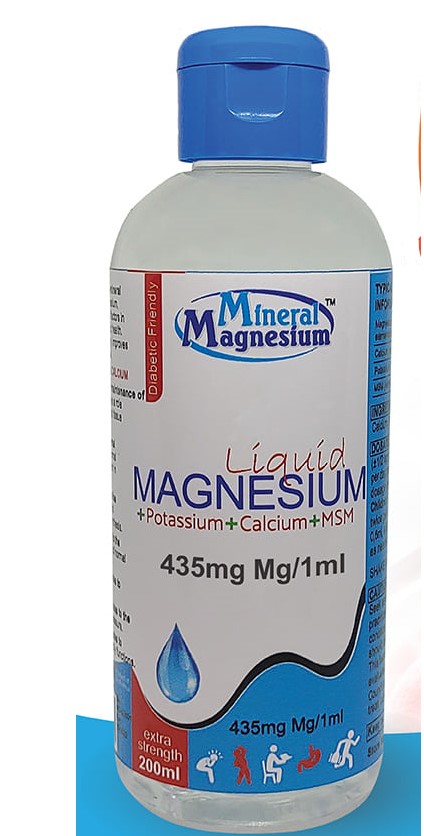
This bad situation for Alicia remained until she discovered Liquid Mineral Magnesium.

Why Alicia wasn’t Losing Weight Even with Exercising and Diet

The Liquid Mineral Magnesium Supplement Solution that Solved the Weight Loss Puzzle

There are several reasons why Alicia was not losing weight despite her efforts. Here are some common factors responsible for failure to lose weight in most people even after trying hard. Alicia was no different:

1. Insulin Resistance

Insulin is a type of hormone that occurs naturally in our bodies. Insulin helps glucose in the blood enter cells. This provides them with the energy to function properly. Insulin resistance means that sugar is not broken down to form energy in the cells. Sugar remains in your body and this hinders weight loss. It causes your body to store excess sugar as fat. This happens instead of using it for energy. This condition can make it difficult to lose weight even with a good diet and exercise.

Liquid Mineral magnesium avoids this situation by making the pancreas operate normally. It helps the pancreas break down insulin and turn it into energy. Therefore, it allows weight loss to happen.

2. Metabolic Adaptation

As you lose weight, your metabolism slows down. This happens because your body requires fewer calories to work at a lower weight. You burn fewer calories than before. This change makes it harder to continue losing weight even with the same diet and exercise regimen. But when you diet and exercise your body does not respond. You stay the old self. Your effort to lose weight is futile.

Magnesium helps the metabolism to continue normally as you lose weight, and this aids the weight loss process.

3. Caloric Intake vs. Expenditure

A plateau often indicates that your caloric intake is equal to your caloric expenditure. To break through this, you need to either reduce your calorie intake further or increase your physical activity. It’s essential to make sure that you’re consuming fewer calories than you burn.

4. Exercise Routine

Your body can adapt to a consistent workout routine, making it less effective over time. If you’ve been doing the same exercises, consider increasing the intensity, duration, or type of activity. Incorporating strength training can also help build muscle, which boosts metabolism and aids in fat loss

5. Diet Quality

While cutting calories is crucial, the quality of your diet matters too. Ensure you’re consuming a balanced diet rich in fruits, vegetables, lean proteins, and whole grains. Avoid highly processed foods that can be calorie-dense but low in nutrients.

Dietary quality can be improved by taking supplements. If there is one important supplement that you should take over and above others, it is Magnesium. Liquid Mineral Magnesium is especially recommended because it is easy to absorb and helps most body activities.

6. Stress and Sleep

High stress levels can lead to hormonal changes that increase appetite and cravings for unhealthy foods. Additionally, insufficient sleep can affect metabolism and hunger hormones, making weight loss more challenging. Aim for adequate sleep (7-9 hours) and find ways to manage stress effectively

7. Body Composition Changes

Sometimes, even if the scale isn’t moving, you may be losing fat while gaining muscle, which is denser than fat. This means your body composition could be improving even if your weight remains stable

To overcome a plateau:

  • Reassess your habits: Keep a food diary to identify any inconsistencies.
  • Cut more calories: Consider slight reductions in daily intake.
  • Revamp your workouts: Increase intensity or try new forms of exercise.
  • Focus on diet quality: Ensure you’re eating nutrient-dense foods.
  • Manage stress and improve sleep: Both are crucial for overall health and weight loss.

If these adjustments do not lead to progress, you will need Liquid Mineral Magnesium to break through this plateau.

The Power of Liquid Mineral Magnesium

Liquid Mineral Magnesium will offer many benefits that will impact your weight loss. It will prevent deficiencies, boost metabolism and burn calories faster, regulate blood sugar, improve sleep, and reduce stress.

If there is one mineral that should be part of your daily diet, then it is Magnesium. Magnesium is a mineral that is essential for each part of the body. It supports the muscles, brain, kidneys, and heart.

Why is Liquid Mineral Magnesium Critical

Magnesium deficiency is very common in modern societies. Debilitating period cramps, consistent muscle pains and aches, and poor sleep are all examples. Magnesium deficiency is highly implicated in hypertension. It is also linked to Type 2 diabetes. These are two of the most common chronic diseases in the world. The mineral regulates salt and potassium, which affects blood pressure. It also regulates blood sugar. Running low on it can be a key driver for both blood pressure and blood sugar issues.

Better sleep quality and mental health management are also some of the most popular reasons for taking the supplement. Psychologist in the USA refer to Magnesium as “the original chill supplement.” It shows great promise in patients with depression, anxiety, insomnia, and stress management.

Magnesium can effectively reduce, and possibly even stop seizures as they are happening. Epilepsy remains a growing concern. This is particularly due to the lack of effective medical interventions for people with it. The mineral can penetrate the brain and confer protection in this population.

There are tons of other benefits that have been discovered as well:

  • Preventing kidney stones
  • Regulating vitamin D levels
  • Reducing headaches and migraines
  • Strengthening the bones
  • Improving muscle recovery post-exercise
  • Maintaining a normal heartbeat

Bottom Line

It’s almost as if magnesium is a multivitamin in and of itself, right? Magnesium can be a powerful tool to maximize your wellness. It supports various functions in the body. There are even more functions than mentioned here. But as always, nutrition and supplementation is an individual process. If you are to choose one supplement to add to your monthly basket, it is clear. Choose Liquid Mineral Magnesium.